
Homeowners • Landlords • Executors
Unoccupied House Insurance
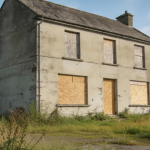
If you have an unoccupied house (vacant home, unoccupied property) for more than a short period, your standard home insurance is typically insufficient or invalid. We can arrange unoccupied house insurance designed specifically for vacant houses, helping protect the building and your legal liability while the property is empty.
Fast quote • Clear conditions • Expert support
Typical examples: probate, between tenants, renovation/repair, house for sale, or a second home that’s vacant for extended periods. If you’re unsure whether your situation counts as an “unoccupied house”, we’ll help you confirm it.
What is unoccupied house insurance?
Unoccupied house insurance is specialist cover for a house that is not being lived in (or not regularly occupied). Insurers often view vacant houses as higher risk because issues like escape of water, fire, theft/vandalism, and storm damage can go unnoticed for longer.
Typical cover areas (subject to terms)
- Buildings (e.g., fire, storm, flood, escape of water, malicious damage, depending on insurer terms)
- Property owners’ liability (injury to third parties, e.g., visitors or contractors)
- Contents (sometimes limited or excluded in unoccupied houses)
Common insurer requirements for an unoccupied house
Requirements vary by insurer and property, but common conditions include:
- Regular inspections (e.g., weekly/fortnightly) and a simple log/photos kept
- Secure locks on doors/windows; the property visibly maintained
- Water risk controls (stopcock accessible; drain-down or minimum heating in colder periods, where required)
- Alarm/CCTV/lighting where fitted (and used in line with the policy terms)
- Any building works declared in advance (especially structural work, roofing, rewiring, “hot works”)
Ways to reduce risk and keep premiums sensible
- Document inspections and address minor leaks/damage early
- Minimise escape-of-water risk (turn off water, drain down if needed, or maintain heat per insurer conditions)
- Improve security (quality locks, timers for lights, visible upkeep)
- Be clear on the plan: sale timeline, renovation schedule, or expected re-occupation date
We’ll explain the exact conditions attached to your quote so you can choose cover you can realistically comply with.
FAQ: Unoccupied houses
When does a house count as “unoccupied” for insurance?
It depends on the insurer, but it commonly applies once a house is vacant for more than a short period (often 30+ days), or not used as a normal residence. If you tell us your dates and circumstances, we’ll guide you to the right cover.
Can I insure an unoccupied house while it’s being renovated?
Often yes, but you must disclose the works. Some insurers restrict cover (or require extra conditions) depending on what
work is happening—especially structural works, roofing, rewiring, or hot works.
What’s the biggest risk for an unoccupied house?
Escape of water is a common one because leaks can run for days before anyone notices. Security and fire risk also increase if the property looks vacant. The right policy plus practical controls usually makes a big difference.
This page provides general information only and does not form part of a contract of insurance.
Cover, limits and conditions vary by insurer and policy wording.
